The record
Your agent's activity, sealed with a hash, a timestamp, and the exact extent received.
Unmodified since 2026-11-01 14:03 UTCSample
SHA-256
4bbbcb52a2086e8afe60832fb4bce2463bbcf9f8821237ae96d88a390f0dc266
Built for AI agents. Backed by math.
Your agents' decisions, tool calls, API requests, outputs, overrides, approvals and telemetry, sealed in a record that can't be quietly rewritten. For good and bad.
Early access. I reply to every response personally.
Did the user force the action, even though the model said otherwise? Was the log changed afterwards?
Code can be re-run and checked. A model's decision usually can't: the same input can lead to a different action next time. You can't work backwards from a log to the code, so the log is often the only record of what happened.
Agents call tools, send requests and act on their own. If you can't see exactly what an agent did, in what order, and whether a person overrode it, you can't answer for it. And a log that can be silently edited is worth little as evidence.
AI is going to be regulated. The EU AI Act already requires high-risk systems to record events automatically. It doesn't say how a log must be protected, but a customer, an insurer or a regulator may ask you to show that yours wasn't changed.
An agent's account of itself isn't evidence. The record is.
Aviation solved this long ago. A flight recorder doesn't prove the pilot was right. It proves the record wasn't altered.
Three parts. Some are open today, the rest are being built.
A client-side daemon receives the agent's activity through a named input and passes it on.
A recorder we run seals what it receives into a TARC record. The sealing is done by the recorder, not by the agent, under a certificate we issue, and the record gets an independent time stamp.
The TARC format and the verifier are open. Anyone can check that a record is unmodified since it was sealed, who sealed it, when, and exactly what was received.
A record can show that it hasn't changed. It can't show that what it says is right.
We record what reaches the recorder, through a named input. The agent does not write its own record.
Your agent's activity, sealed with a hash, a timestamp, and the exact extent received.
Time-stamped by an independent authority, so the clock isn't only ours.
2026-11-01 14:03 UTCSample
Signed with a key that a certificate ties to a named signer.
A gap is shown as a gap. Not yet delivered is not lost.
Not yet deliveredWhether the data is correct or complete.
Anyone can read and check a record without Arkhon.
How TARC worksEach part of the system, and how far along it is. We list what is real and nothing else.
The open file format for records.
An open tool that checks a TARC file: whether a record is unmodified, who signed it, and when.
Proprietary. How activity travels from the daemon to the recorder.
Issues the certificates that recorders sign records with.
A small service that runs next to the agent and passes its activity on.
The server side that receives activity and seals it into TARC records.
The backend and web front end for running the recorder as a service.
Running the recorder so that records are stored in your own cloud account.
Extending the client-side daemon to robots.
As of 2026-10-30. This table changes as we build. It is not a promise of dates.
If your agents act on their own, someone will eventually ask what they did. This is the record that answers.
The same record chain, for robots and physical systems.
PlannedTwo ways to run it, both still being built. The stage is shown on each. The format and the verifier are the same either way.
We run the recorder and keep your records. The least for you to set up and operate.
Records stay in cloud storage you control. For when data cannot leave your environment.
Either way, records use the open TARC format, and anyone can check them with the open verifier. Arkhon issues the certificates.
The format and the verifier are open. If Arkhon disappeared tomorrow, every record would still be readable and checkable.
Plainly: the recorder that writes records, and the TARC transport protocol it uses, are proprietary. Arkhon issues the certificates. Checking a record needs only the open format and the open verifier.
Links to the specifications and the verifier will appear here when each is public.
Not yet. We are in early access with design partners. See "What exists today."
The format and the verifier are open, so anyone can check a record without Arkhon. The recorder and the TARC transport protocol are proprietary, and Arkhon issues the certificates.
Whether the data is correct or complete. We prove that a record hasn't been modified since it was acknowledged, who committed it, and when.
Two options: Arkhon hosts your records, or they stay in your own cloud. Both are still in development. See "Run it your way."
Logging tools help you understand what happened, and they sit under your control. Arkhon makes a record that someone who doesn't trust you can check without your cooperation.
Pricing is per licensed deployment, with generous ingest included. Early-access pricing is set together with design partners.
Robotics is planned. The idea is to extend the client-side daemon to robots, so the same record chain applies. It is not available yet.
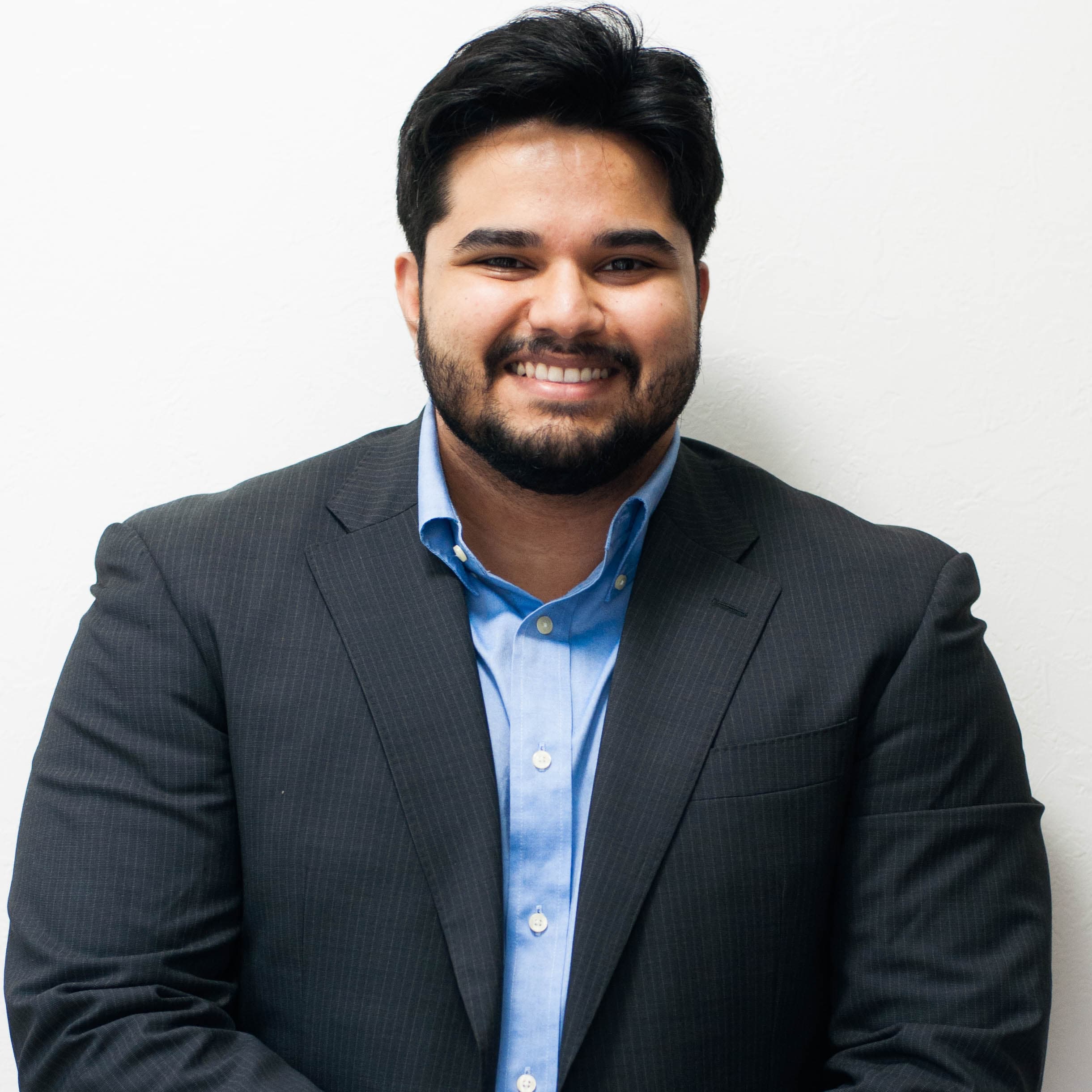
Founder · Systems Architect · Tokyo
Senior engineer who builds new infrastructure from zero.
I'm a senior engineer in Tokyo, and I like building new infrastructure from zero. I started with software for robots, including Aether, a daemon-based networking layer for them. Then I saw that the part that matters most is the record of what a system did, and that it applies to any system that acts on its own. I'm building that record at Arkhon. I read every early-access response and reply personally.
Tell me what you'd want to record. I read every response and reply personally.